
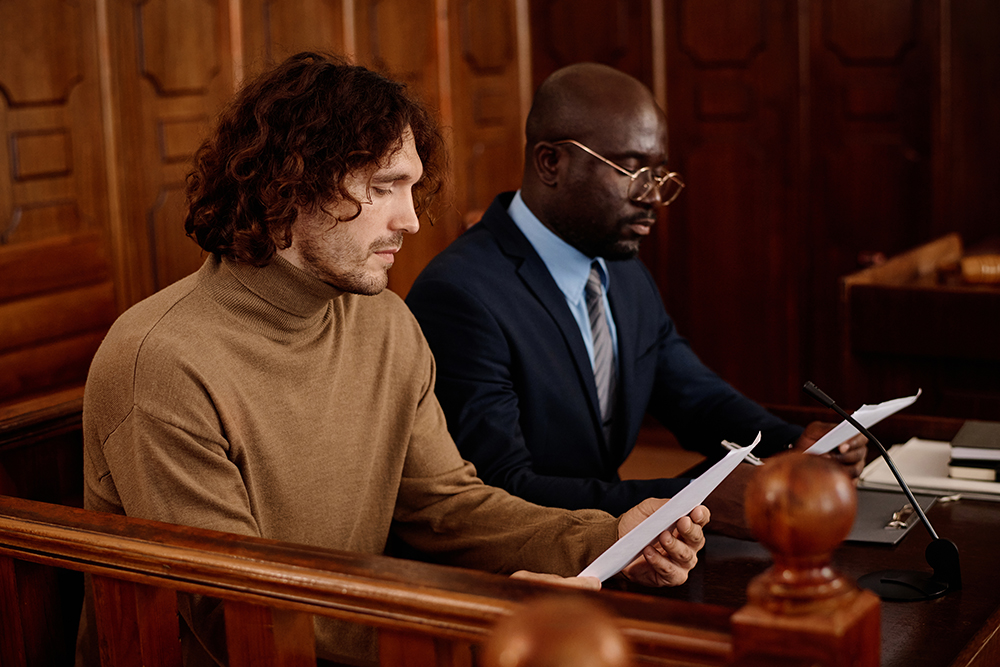
A divorce trial is a formal court proceeding where a judge decides unresolved issues in a divorce, such as property division, child custody, and spousal support. It’s important to note that divorce trials are relatively rare, with most cases settling through negotiation or mediation. However, understanding the process can be helpful if you’re facing a situation where a trial might be necessary.
Here’s a breakdown of what happens in a typical divorce trial:
Before the Trial:
- Discovery: Both sides gather evidence through methods like document requests, depositions, and interviews.
- Pre-trial Motions: Attorneys may file motions to exclude evidence or address other legal issues.
- Trial Preparation: Lawyers strategize, prepare witnesses, and practice their arguments.
During the Trial:
- Opening Statements: Each lawyer summarizes their case and what they aim to prove.
- Presentation of Evidence: Documents, photos, financial statements, and witness testimonies are presented.
- Witness Examination: Each side questions their own witnesses and cross-examines the other side’s witnesses.
- Closing Arguments: Lawyers summarize their key points and urge the judge to rule in their favor.
- Judge’s Decision: The judge considers all evidence and arguments before issuing a final ruling.
Key Points to Remember:

- Bench Trials vs. Jury Trials: Most divorce trials are bench trials, meaning the judge decides alone. Jury trials are less common.
- Focus on Unresolved Issues: Only issues not settled through negotiation are argued in court.
- Emotional Toll: Trials can be stressful and emotionally charged for all parties involved.
It’s important to remember that this is just a general overview, and the specific details of your case may vary depending on your location and individual circumstances. If you’re facing a divorce, consulting with a qualified family law attorney is crucial to understand your rights and options.
 What to Look for when Selecting the Right Family Lawyer