
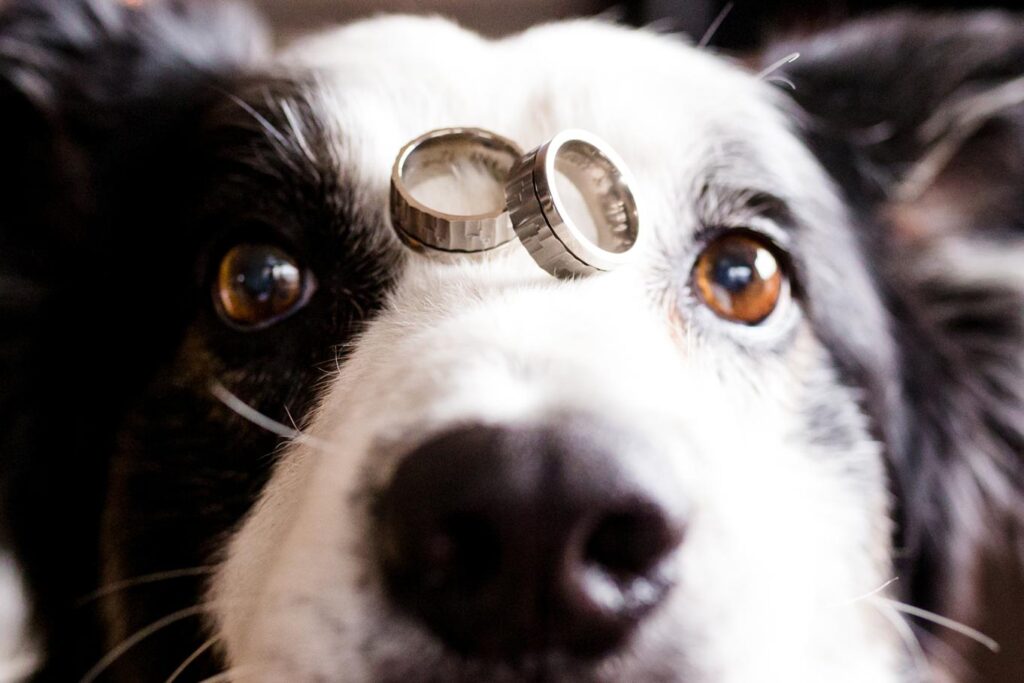
The question of who gets to keep the dog in a divorce can be more complex than it seems, because pets are typically considered property under the law, not family members. However, courts are increasingly recognizing the emotional bonds between people and pets and may take that into account in some jurisdictions.
Here’s how it generally works:
Legal Status of Pets
- In most states and countries, pets are legally classified as property, so they are subject to the same rules as other property in a divorce (like furniture, cars, etc.). The court will generally look at who owns the dog, who paid for it, and any other factors that might indicate ownership.
- However, there is a growing trend of courts beginning to recognize the emotional attachment of pets to their owners and may take this into consideration when making custody decisions.
Factors Courts Consider (When Applicable)
- Who is the primary caregiver? Courts may look at who has been the primary person responsible for taking care of the pet—feeding, exercising, vet visits, and general care.
- The pet’s emotional attachment: In some cases, courts may ask about the emotional bond between the pet and each party. For example, if one person has been the main caretaker and the pet is especially attached to them, that could sway the court.
- Best interests of the pet: Some states have begun to adopt the concept of “best interests” of the pet (similar to how child custody is decided), considering things like the pet’s well-being, stability, and overall happiness in one home over the other.
Custody Arrangements

- Shared custody: In some cases, divorced couples may agree to share the pet. This might include alternating weeks or months, or finding another arrangement where both parties can maintain a relationship with the dog.
- Primary custody: If the couple cannot agree, one party may be awarded primary custody of the dog. In these cases, the court may take into account factors like who has the time and resources to properly care for the pet.
- Visitation rights: Sometimes, the non-custodial party might be granted visitation rights or may be allowed to spend time with the dog, depending on the situation.
Pre-Divorce Agreements
- If you and your spouse had a prenuptial or postnuptial agreement that includes pet ownership, that agreement might influence who gets to keep the dog. Some pet owners may even formalize pet custody in their divorce settlements.
Negotiation or Mediation
- If the situation is contentious, many couples opt for mediation, where they can come to a mutually agreeable decision about the pet without going to court. A mediator might help both parties find a solution that works for everyone (including the dog), which might include visitation or shared custody.
Trends in Pet Custody Law
- Some jurisdictions (especially in progressive states) are moving toward more “pet-friendly” laws. For instance, California passed a law in 2019 that allows courts to consider the “well-being of the pet” when determining pet custody in divorce cases. Similarly, some judges in states like Illinois, Alaska, and Oregon have granted custody of pets based on the emotional attachment between the pet and a specific party.
Conclusion:
In the absence of a clear legal framework, the decision will likely depend on the specifics of the case, including the emotional bond, practical arrangements, and who can best care for the pet. If you’re facing this issue, it may be helpful to consult with a family law attorney who can guide you based on your state’s laws and your unique situation.
 What if My Ex Won’t Pay Alimony
